

Modern regenerative science is reshaping how the human body is understood, shifting the focus from surface-level symptom management to deep biological restoration. Instead of treating isolated issues, the emphasis is now on supporting the body as an interconnected system where every cell contributes to overall performance, healing, and vitality. This approach is centered on restoring internal balance, improving cellular communication, and enhancing the body’s natural repair capacity. In this evolving wellness landscape Stem Cell Therapy in Dubai often discussed as part of advanced regenerative strategies aimed at supporting full-body repair and natural energy restoration through biological renewal.
The Concept of Full-Body Cellular Repair
Full-body repair is based on the idea that the body functions as a unified network of tissues, organs, and cellular systems. When one area is affected by stress, aging, or damage, it can influence overall performance and energy levels. Regenerative science focuses on supporting these interconnected systems by encouraging the body’s own repair mechanisms to function more efficiently.
Stem cells play a central role in this process due to their unique ability to transform into different cell types and respond to biological signals. They help coordinate repair activities across multiple systems, supporting regeneration where it is most needed. This creates a more balanced internal environment where healing is not limited to one area but distributed throughout the body.
Cellular Renewal and Biological Communication
At the foundation of regeneration is cellular communication. The body relies on constant signaling between cells to regulate repair, immune response, and energy production. When these signals are strong and well-coordinated, the body maintains better stability and resilience.
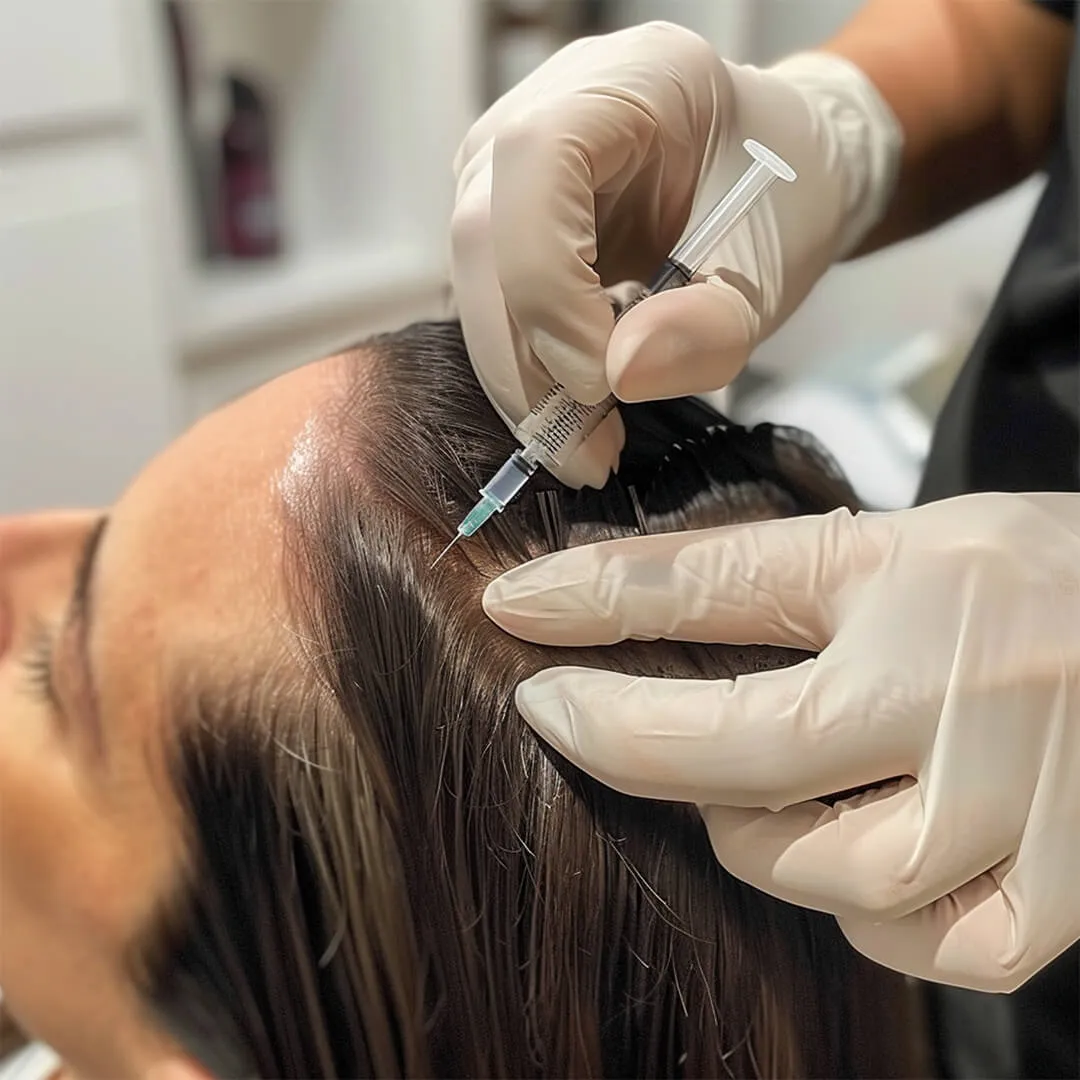
Stem cells contribute by releasing growth factors and bioactive molecules that influence surrounding cells. These signals help activate repair pathways, reduce cellular stress, and improve coordination between different tissues. As communication improves, the body becomes more efficient at identifying damage and initiating recovery processes.
This enhanced biological communication supports smoother functioning across all systems, leading to improved internal harmony and better overall performance.
Deep Tissue Regeneration and Structural Support
One of the most important aspects of regenerative therapy is its ability to influence deeper layers of tissue. Muscles, connective tissues, and internal structures are constantly exposed to strain from movement, aging, and environmental factors. Over time, this can lead to reduced strength, stiffness, and slower recovery.
Stem cell activity supports the repair of these deeper structures by encouraging regeneration at a cellular level. Instead of only addressing surface-level changes, the process works internally to strengthen tissue architecture and improve resilience. This contributes to better stability, flexibility, and long-term structural health.
As tissues regenerate more effectively, the body regains a stronger foundation for movement, endurance, and daily physical performance.
Natural Energy Restoration at the Cellular Level
Energy production in the body is closely linked to cellular health, particularly the function of mitochondria, which are responsible for generating usable energy. When cells are healthy and functioning efficiently, energy levels remain stable and consistent.
Regenerative processes supported by stem cell activity may enhance cellular efficiency by reducing oxidative stress and improving mitochondrial function. This leads to better energy conversion and more efficient metabolic activity.
As a result, the body experiences improved stamina, reduced fatigue, and a more sustained sense of vitality throughout daily life. This natural energy restoration is not temporary but rooted in improved cellular performance.
Supporting Immune Balance and Internal Stability
A well-functioning immune system is essential for maintaining full-body health. It protects against external threats while also managing internal repair processes. However, when immune responses become imbalanced, it can affect recovery and overall well-being.
Stem cell-based regenerative support helps regulate immune activity by promoting balanced signaling within the body. This ensures that inflammation is controlled and repair processes are activated appropriately. A stable immune environment allows tissues to heal more efficiently and reduces unnecessary strain on the body.
This improved balance contributes to overall internal stability, supporting long-term wellness and resilience.
Enhancing Recovery and Physical Resilience
Recovery is a key factor in maintaining energy and performance. Whether from physical activity, stress, or daily wear and tear, the body requires efficient repair systems to restore balance.
Regenerative approaches support this by enhancing the body’s natural recovery mechanisms. Stem cells help accelerate tissue repair, reduce inflammation, and improve cellular regeneration. This leads to faster recovery times and improved physical resilience.
With stronger recovery capacity, the body can handle greater physical and mental demands without prolonged fatigue or breakdown.
Holistic Impact on Overall Vitality
The effects of regenerative support extend beyond physical repair. When cellular health improves, it also influences mental clarity, emotional balance, and overall well-being. This is because energy production, inflammation control, and cellular communication all affect how the body and mind function together.
Improved biological balance leads to a more stable sense of energy, better focus, and enhanced overall vitality. This holistic improvement reflects the interconnected nature of the body’s systems, where internal harmony supports external performance.
Future of Full-Body Regenerative Wellness
The future of regenerative wellness is moving toward a more integrated understanding of human biology. Scientists continue to explore how stem cells interact with different systems and how these interactions can be optimized for long-term health benefits.
Emerging developments suggest that personalized regenerative approaches may become more common, allowing treatments to align more closely with individual biological needs. This could improve effectiveness and support more precise full-body restoration.
As research advances, regenerative science is expected to play a key role in redefining how the body heals, recovers, and maintains energy throughout life.
Restoring Energy and Cellular Harmony
Full-body repair and energy restoration represent a shift toward deeper wellness, where the focus is on strengthening the body from within rather than relying on temporary external solutions. By supporting cellular communication, tissue regeneration, and metabolic efficiency, regenerative approaches aim to restore natural balance and sustained vitality. In this evolving field of modern wellness, Stem Cell Therapy continues to symbolize advanced biological support for those seeking comprehensive internal renewal and long-lasting energy restoration.