
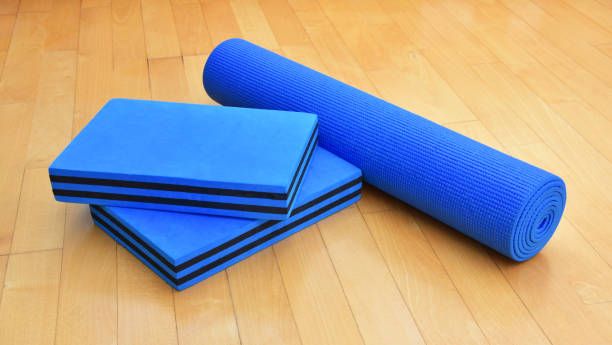
A yoga session is often described as a practice of alignment, breath, and mindful movement, but the surface beneath you is just as influential as your technique. Quality exercise padding is not simply a comfort upgrade; it is a functional layer that supports joint safety, improves stability, and helps you maintain consistent form across different styles of yoga. When padding is inadequate, the body compensates in subtle ways—tightening muscles, shifting weight, or avoiding full range of motion—which can affect both the physical and mental outcomes of practice.
Over time, these small adjustments can add up. A supportive, well-designed padded surface can help you stay present in your flow, reduce distraction, and create a safer environment for repetition—especially when practicing frequently or holding postures longer. In many ways, your mat becomes your training ground, and the quality of that ground matters more than most practitioners initially realize, particularly when building greater stability and control through supportive training equipment.
Joint Support for Wrists, Knees, and Ankles
Yoga places repeated pressure on load-bearing joints, particularly in transitions and sustained poses. Wrists often absorb force in Downward-Facing Dog, Plank, and arm balances, while knees and shins can be stressed during kneeling sequences, low lunges, and restorative work. Quality padding provides a buffer that disperses pressure more evenly, helping reduce the sharp discomfort that can disrupt alignment and breathing.
When discomfort is reduced, practitioners tend to distribute weight more properly through hands and feet instead of collapsing into sensitive points. This can encourage stronger engagement through the arms, shoulders, core, and hips. In practical terms, better padding supports consistency; you are more likely to return to your mat when your body feels protected, and consistency is one of the most important drivers of progress in yoga.
Better Stability and Grip With Proper Padding
A common misconception is that thicker padding always improves a yoga session. In reality, the best exercise padding balances cushioning with stability. If the material is too soft or overly compressible, it can create an unstable base that makes standing poses and balance work more challenging, forcing the body to wobble and overcorrect. Quality padding is engineered to compress predictably, keeping you grounded while still reducing impact.
That balance is also tied to surface texture and grip. Good padding is often paired with finishes that help hands and feet stay secure through sweat and movement. If you’re upgrading your setup, Shop yoga mat from kuuraii.com as a single step that can align cushioning, traction, and structure so your practice feels supported without feeling unsteady.
How Cushioning Improves Body Alignment
Alignment is not only about flexibility; it is about how effectively you can stack joints and distribute force. Poor padding can subtly alter alignment by causing hands to sink unevenly, heels to slide, or knees to shift uncomfortably during floor poses. Quality exercise padding helps create a consistent platform, which makes it easier to reproduce correct positioning across sessions—an essential factor for building safe movement patterns.
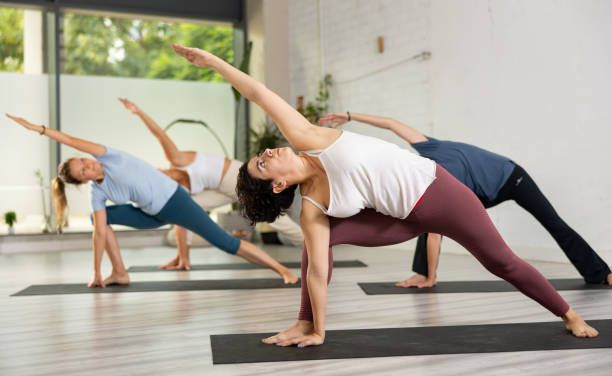
When the surface is stable and supportive, you can focus on internal cues—breath control, core engagement, and spinal length—rather than external discomfort. This is especially important in slow flows, yin-inspired holds, and mobility sessions where posture is maintained longer. Over time, a reliable surface can help reinforce clean technique, making the practice more efficient and reducing the likelihood of strain from repeated misalignment.
Clean, Durable Materials for Lasting Comfort
Yoga is a close-contact activity with the floor, and your mat or padding absorbs sweat, oils, and environmental debris. Low-quality materials may degrade faster, becoming porous, harder to clean, and more likely to hold odors or bacteria. Quality exercise padding typically uses materials that maintain integrity under regular use, which supports both cleanliness and longevity. A surface that cleans well also helps protect your skin, especially when practicing frequently.
Material integrity also affects performance. As padding breaks down, it can become uneven, slippery, or flaky, changing the feel of poses and increasing distraction. Practitioners often underestimate how much a worn surface changes the body’s relationship to balance and pressure. Investing in padding that resists compression set and cleans effectively helps preserve a consistent practice environment, which is a meaningful factor for both safety and confidence.
One Surface for Yoga, Mobility, and Recovery
Different yoga styles demand different relationships with the floor. Dynamic vinyasa and power-based flows benefit from a stable surface with controlled cushioning and dependable grip. Restorative sessions, breathwork, and longer holds often feel better with more noticeable pressure relief, especially for knees, hips, and the spine during reclined postures. Quality exercise padding can support this variety by offering balanced thickness and structure that works across multiple modalities.
Versatility is also valuable for hybrid routines. Many practitioners combine yoga with mobility drills, Pilates-inspired core work, or light strength training. A well-built padded surface can transition smoothly across these activities without forcing you to switch equipment. That continuity helps keep routines efficient, encourages regular movement, and supports a more holistic approach to training without compromising comfort or stability.
The Long-Term Value of Quality Padding
While budget options may seem attractive initially, they often compress quickly, peel, or lose grip, leading to frequent replacement. Quality exercise padding tends to hold its shape and surface properties longer, which means the experience remains consistent from week to week. That consistency is not just a comfort preference; it influences how safely you load joints, how confidently you balance, and how reliably you can progress through more challenging sequences.
From a cost perspective, durability often translates into better value. Replacing a low-quality mat multiple times can exceed the price of a well-made option that lasts longer and performs better. More importantly, a dependable surface supports adherence to practice. When your setup feels stable, comfortable, and clean, you remove small barriers that can otherwise disrupt habit-building—one of the most practical benefits for long-term wellness.
Conclusion
Yoga is a practice of intentional movement, but intention is easier to sustain when the environment supports it. Quality exercise padding matters because it protects joints, improves stability, reinforces alignment, and helps keep sessions hygienic and consistent. It also supports versatility across styles, making it easier to maintain a routine that fits changing goals—from strength and flow to recovery and mobility.
Ultimately, your mat or padded surface is more than an accessory. It is the interface between your body and the ground, and that interface shapes how you move, how long you can practice comfortably, and how confidently you can progress. Choosing quality padding is a professional-grade decision that benefits every session, no matter your experience level or preferred style.